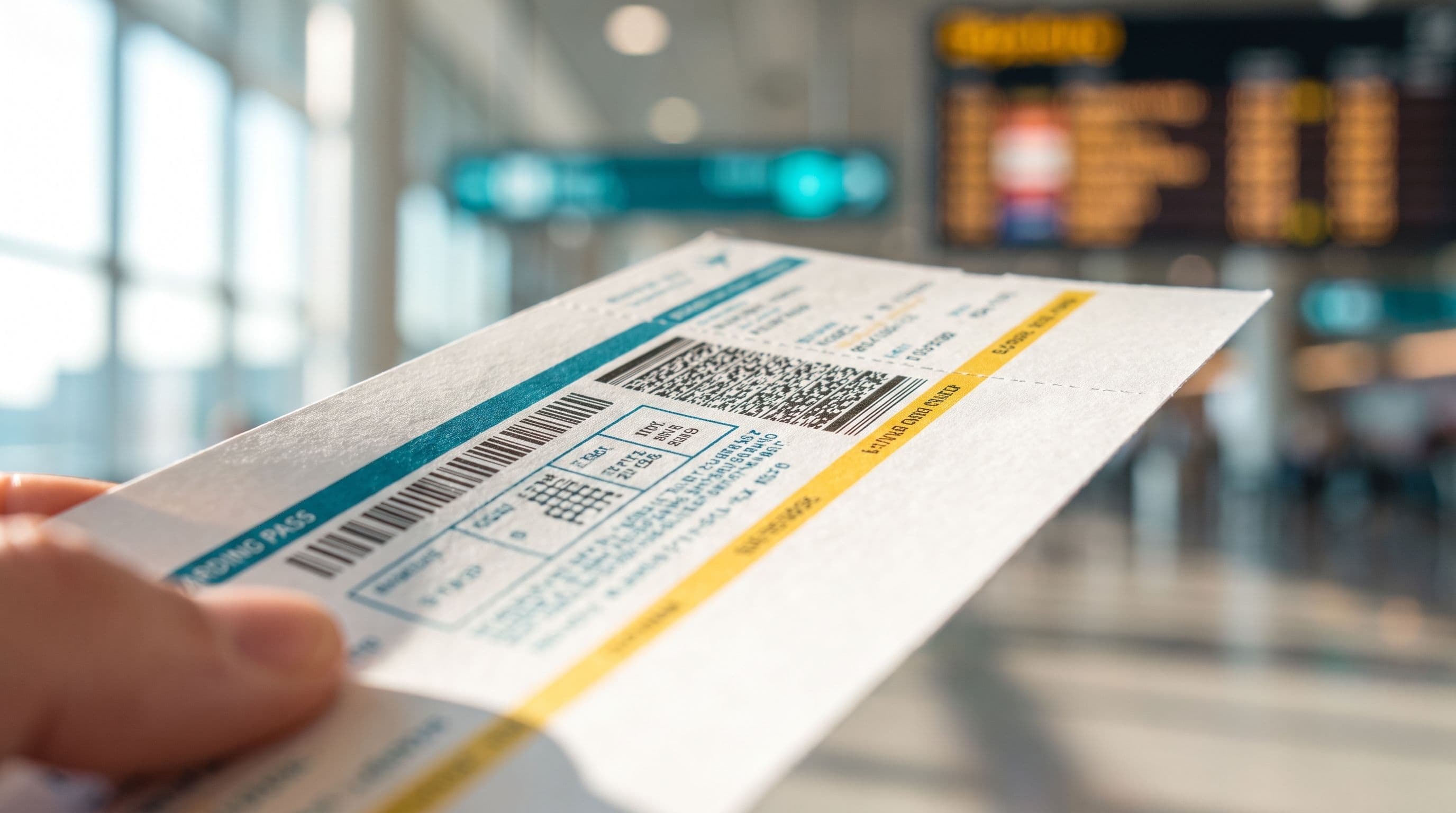

The DOT 24-hour rule (14 CFR 259.5) requires every airline flying to, from, or within the United States to give you one of two options: either a 24-hour hold on the quoted fare without payment, or a full refund if you cancel within 24 hours of booking. Airlines pick one. Almost all US carriers picked the cancel-with-refund option. The booking must generally be made 7 or more days before departure. Book through the airline directly, not an OTA, to keep the rule enforceable without friction. Use it to hedge on price, buy time for approvals, or grab a speculative award seat.
Every US airline gives you 24 hours to change your mind after booking. Not as a favour. Not as a promotion. Under federal law. Most travellers never use the rule, and most of the ones who do know it exists never use it strategically. Both leave money on the table.
This is the 2026 breakdown of what the DOT 24-hour rule actually says, how each major airline complies with it, and three concrete ways to use it to save real money on a booking.
What the DOT 24-hour rule actually says
The rule is 14 CFR 259.5, part of the Department of Transportation’s consumer protection regulations. In plain English:
The rule applies to every airline. That includes US carriers (United, American, Delta, Southwest, Alaska, JetBlue, Hawaiian, Frontier, Allegiant, Sun Country) and every foreign airline selling tickets on flights that touch the US (British Airways, Lufthansa, Air France, Emirates, Qatar, ANA, and so on).
- Every airline that sells tickets for flights to, from, or within the United States must comply.
- The airline must offer one of two options: (a) a 24-hour hold on the quoted fare without payment, or (b) a full refund to the original payment method if you cancel within 24 hours of purchase.
- The airline picks which option. It cannot offer neither, and it does not have to offer both.
- The reservation must be made at least 7 days before departure to qualify (federal standard), though some airlines are more generous.
- The refund goes to the original form of payment. Not a voucher, not a travel credit unless you specifically choose one.
How each major airline complies
The rule allows two compliance options and the airlines chose differently. The full 2026 picture:
Three carriers stand out.
American is the only US carrier that offers both options: a free 24-hour fare hold before you pay, plus a 24-hour cancellation window after you pay. In practice, that gives you up to 48 hours of decision time on a booking. American updated its policy on July 29, 2026 to align its cancellation window with the federal 7-day advance standard; before that, American required a 2-day advance.
Delta implements the rule with a quirk that quietly extends the window. Delta counts the 24 hours as ending at midnight of the day after purchase, not exactly 24 hours from the timestamp. Book at 8pm on a Tuesday and you have until 11:59pm Wednesday to cancel. Book at 11pm on Tuesday and you have almost 25 hours.
Alaska has the most permissive advance requirement in the industry: 24 hours before departure, not 7 days. Same-week and same-day bookings still qualify for the 24-hour cancel window on Alaska.
Southwest sits outside the DOT rule entirely. Business Select and Anytime fares are fully refundable at any time up to departure. Wanna Get Away fares are refundable as a travel credit at any time. Southwest’s own cancellation policy is more generous than the DOT rule requires, so the 24-hour question is largely moot.
| Airline | Cancel with refund | Fare hold | Advance requirement |
|---|---|---|---|
| American Airlines | Yes (24 hrs) | Yes (also offers 24-hr hold) | 7 days (updated Jul 29, 2026) |
| Delta | Yes (through midnight next day) | No | Any time before departure |
| United | Yes (24 hrs) | No | 7 days |
| Southwest | Always refundable (Business Select) or credit (Wanna Get Away) | No | N/A (beyond DOT rule) |
| Alaska | Yes (24 hrs) | No | 24 hours before departure |
| JetBlue | Yes (24 hrs) | No | 7 days |
| Hawaiian | Yes (24 hrs) | No | 7 days |
| Frontier | Yes (24 hrs) | No | 7 days |
| Allegiant | Yes (24 hrs) | No | 7 days |
| Sun Country | Yes (24 hrs) | No | 7 days |
Airline vs OTA: where the rule quietly breaks
The DOT rule technically applies to every ticket for a covered flight, regardless of where you bought it. In practice, OTAs (Expedia, Priceline, Kiwi, Booking.com) add three complications.
The fix is to book direct with the airline whenever the price is the same. See our guide on how to actually read your flight total for the full argument on why direct booking wins on the total value.
- The refund is processed by the OTA, not the airline. That adds days or weeks to the refund timeline, and sometimes the OTA quietly charges a “processing fee” on the cancellation.
- Some OTAs try to enforce their own cancellation terms on top of the DOT rule. Technically illegal, practically real. Kiwi, in particular, has been repeatedly cited by the DOT for failing to honour the 24-hour rule cleanly.
- Alaska, JetBlue, and Frontier all require OTA-booked tickets to be cancelled through the OTA, not the airline directly. The airline will not intervene.
Strategy 1: The book-and-rebook price hedge
This is the highest-return use of the rule and the one most travellers never try.
Book a flight the moment you find a fare inside your acceptable range. Immediately set a Google Flights price alert on the same route and dates. If the fare drops in the next 24 hours (fare drops on the same route are surprisingly common in the first day after booking), cancel your original booking, take the full refund, and rebook at the lower price.
Worked example. Sunday morning, you find a JFK-Paris flight at $612 on United. You book. Sunday night, United drops the fare to $549 in a flash sale. Because you are inside the 24-hour window, you cancel the $612 ticket, get a full refund to your credit card, and rebook the same flight at $549. Net savings: $63, minus the 30 seconds it took to check the price and rebook.
This works reliably on legacy carriers with active fare-management algorithms (United, Delta, American). Less reliable on Southwest (fares are more stable) and on ultra-low-cost carriers (base fares change less than added extras).
Set the price alert at booking, not the next day. Fares can drop hours after you buy, especially on transatlantic and West Coast US routes. Check the alert once before you go to sleep and once after you wake up. That is enough.
Strategy 2: Buy time for approvals and plans
The 24-hour rule is a free option on the trip existing. Use it when the trip itself is uncertain and the fare might not be there tomorrow.
Concrete scenarios where the play works well:
The one rule: check the airline’s specific cancellation window before you book. On Alaska, you might have to cancel before the flight departs, not 24 hours from booking. On American’s 48-hour hold-plus-cancel setup, you have almost two full days.
- Waiting on boss approval for a business trip. Book the flight at today’s fare, get the approval tomorrow, cancel if it does not come through.
- Coordinating with a travel companion. Book the flight while they check their calendar. Cancel if they cannot make the dates.
- Waiting on hotel availability at your destination. Book the flight now, confirm the hotel, cancel the flight if the hotel does not work.
- Sudden fare drop on a trip you have been considering. Book the flight to lock the price, spend 24 hours deciding whether the trip actually makes sense.
Strategy 3: Speculative award bookings on American
American Airlines applies the 24-hour cancel-and-refund rule to award tickets booked with AAdvantage miles too. This creates a unique play for points collectors.
When a rare award seat opens up (a Business Class transatlantic saver seat, a Flagship suite to Asia, a peak-season economy award to Europe), you can grab it immediately, confirm your plans over the next 24 hours, and cancel with no penalty (no redeposit fee) if the trip does not work out.
On most airline award programs, cancelling a booking within 24 hours does not carry the same protection. Delta refunds SkyMiles bookings within the 24-hour window. United refunds MileagePlus bookings within the same window (7-day advance rule applies). Other Star Alliance carriers vary. Check the specific policy before you speculate.
Common mistakes
- Assuming the rule applies to non-US routes. It does not. A Frankfurt-to-Munich flight on Lufthansa is outside the DOT’s jurisdiction. Only flights that touch US soil qualify.
- Booking within the 7-day advance window without checking the specific airline. Most airlines require the 7-day advance. Alaska is the notable exception at 24 hours before departure.
- Booking through an OTA and expecting the airline to handle the refund. On most airlines, the OTA has to process the refund, which slows it down and occasionally fails.
- Accepting a travel credit instead of a cash refund. The rule guarantees a full refund to your original payment method. If the airline offers only a credit, ask for the cash refund in writing. If they refuse, file a DOT complaint at transportation.gov/airconsumer.
- Waiting until the 23rd hour to cancel. Most airlines process cancellations in real time, but a slow server or a timezone quirk can push you past the deadline. Cancel with an hour to spare.
Ready to test these savings on your next trip?
Search hundreds of global airline routes with live verified prices and 0% hidden markups.
Frequently Asked Questions
Common questions answered based on latest published policies & DOT regulations.
Resources and References
Official regulatory pages and verified data sources referenced in this guide.
The rule and airline policies referenced above come from official sources
14 CFR 259
5. The federal regulation itself. ecfr.gov (search: 14 CFR 259.5)
DOT Aviation Consumer Protection
The complaint form, refund rules, and 24-hour reservation requirement. transportation.gov/airconsumer
Airline direct pages
American aa.com, Delta delta.com, United united.com, Southwest southwest.com, Alaska alaskaair.com, JetBlue jetblue.com, Hawaiian hawaiianairlines.com, Frontier flyfrontier.com, Allegiant allegiantair.com.
Bureau of Transportation Statistics, Consumer Complaint Data
Quarterly data on airline consumer complaints filed with the DOT. bts.gov
The Bottom Line
The 24-hour DOT rule is one of the strongest consumer protections in US aviation. Every airline flying to, from, or within the US owes you either a 24-hour fare hold or a 24-hour cancellation window. Most give you the cancellation. American gives you both.
Use it for what it is: a free option on the trip existing at the fare you locked in. Book the moment you find a fare worth taking. Set a price alert. If the fare drops in 24 hours, cancel and rebook. If it holds, you have the ticket. Either way, you never had to wait to decide.
At FlySimple, we are building the product so the honest total is the first number you see, and so you know exactly what protections apply when you commit. Every fare, no clutter, no surprises.
Search a route. See the real total. Know the 24-hour rule protects you before you click buy.