If you keep getting SSSS on your boarding pass, apply for a Redress Control Number through DHS TRIP at trip.dhs.gov. It is free, takes about 30 minutes online, and requires a copy of your passport or government ID. DHS will assign you a 7-digit Redress Number within a few business days, then complete a full case review in 30 to 50 days. Add your Redress Number to every future airline booking under the Traveler Information section, alongside your Known Traveler Number if you have one. It does not guarantee you will never get SSSS again, but it dramatically reduces the odds and flags your record as previously reviewed and cleared.
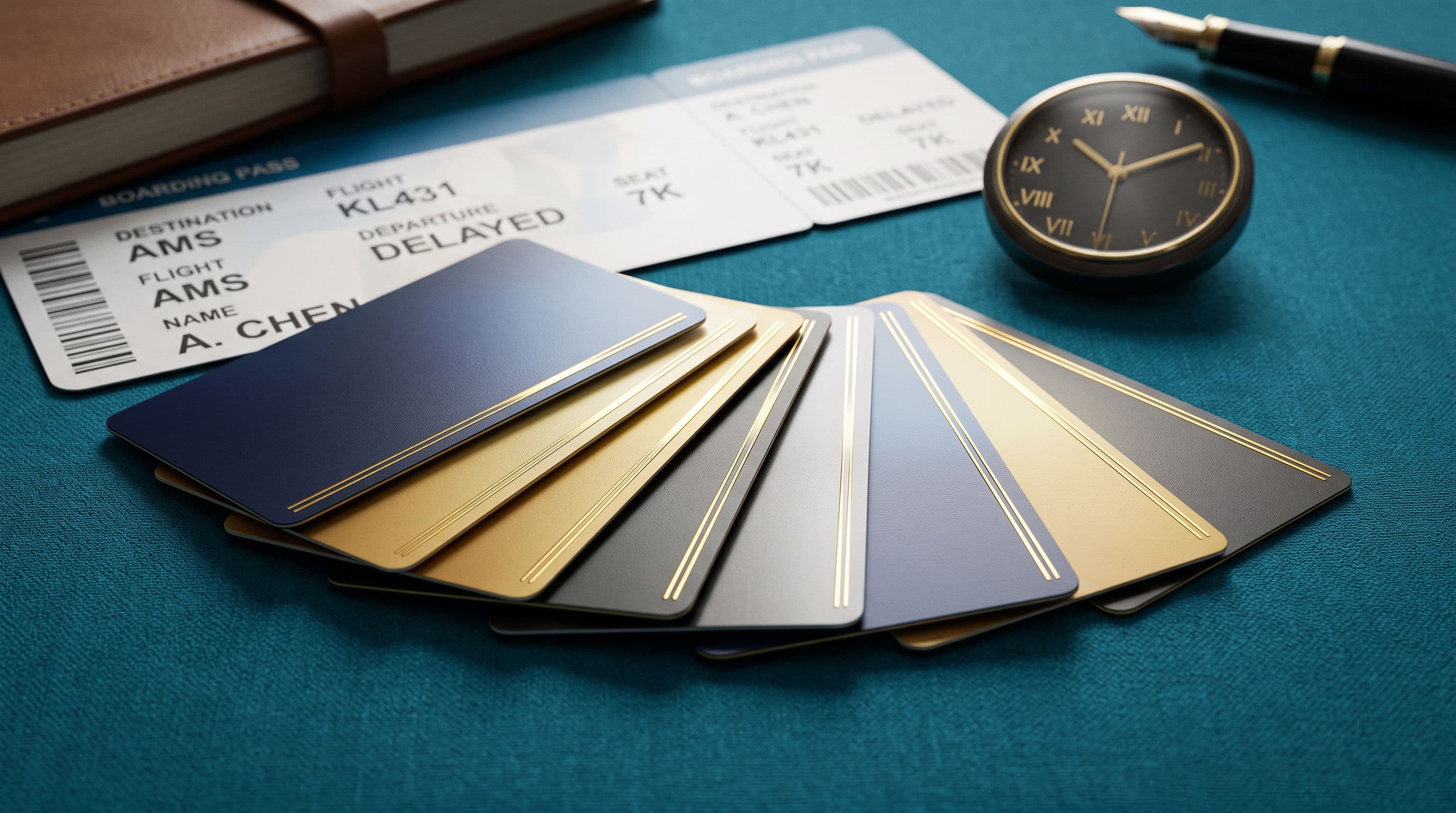
Getting SSSS printed on your boarding pass once is annoying. Getting it three flights in a row is a signal. Somewhere in the Department of Homeland Security’s Secure Flight database, your name is matching a record it should not be matching, and every time you fly you pay the price with an extra hour at security.
The good news is there is a formal process to resolve it, it costs nothing, and it works. It is the DHS Traveler Redress Inquiry Program (DHS TRIP), and it exists exactly to handle cases like yours. This is the 2026 walkthrough of how to apply, how long it takes, what to expect, and what to do at the airport in the meantime.
What SSSS actually means
SSSS stands for Secondary Security Screening Selection. If it appears on your boarding pass, TSA’s Secure Flight system has flagged you for enhanced screening at your departure airport and at any US connecting airport on the same itinerary.
Enhanced screening means: pat-down, physical luggage inspection, swab tests for explosive residue, and a required check-in at the airline counter (no online or kiosk check-in). Expect it to add 15 to 45 minutes to your security time, sometimes more. For the full anatomy of the boarding pass and every other code on it, see our guide on how to read your boarding pass.
Random or listed: how to tell
Not every SSSS is a sign you are on any list. Understanding which category you fall into changes what you should do about it.
Random selection is the most common reason for SSSS. TSA’s Secure Flight system picks a percentage of passengers on every flight regardless of profile. If you have received SSSS once in a year or two of frequent travel, random selection is the overwhelmingly likely explanation.
List matching or watchlist proximity is a different category. If you receive SSSS on multiple consecutive flights, especially over a short window (two or three trips in a month), your name is likely close to or matching a Terrorist Screening Database (TSDB) record. This is where the redress process becomes worth pursuing.
Travel pattern triggers sit between the two. These trigger SSSS more often but resolve on their own once the pattern breaks.
The rule of thumb: one SSSS in a year is random. Three in a row is a signal. Two SSSS on trips with the exact same travel pattern (same destination, same booking window) is probably that pattern, not a list.
- Last-minute bookings (within 24 hours of departure). Tickets purchased that close in are flagged at a higher rate.
- One-way international tickets, especially paid with cash.
- Flights to or from countries flagged by the State Department.
- Long gaps between flights followed by a sudden burst of international travel.
- Repeated bookings on separate carrier tickets with mismatched name spellings.
Enter DHS TRIP: the redress process
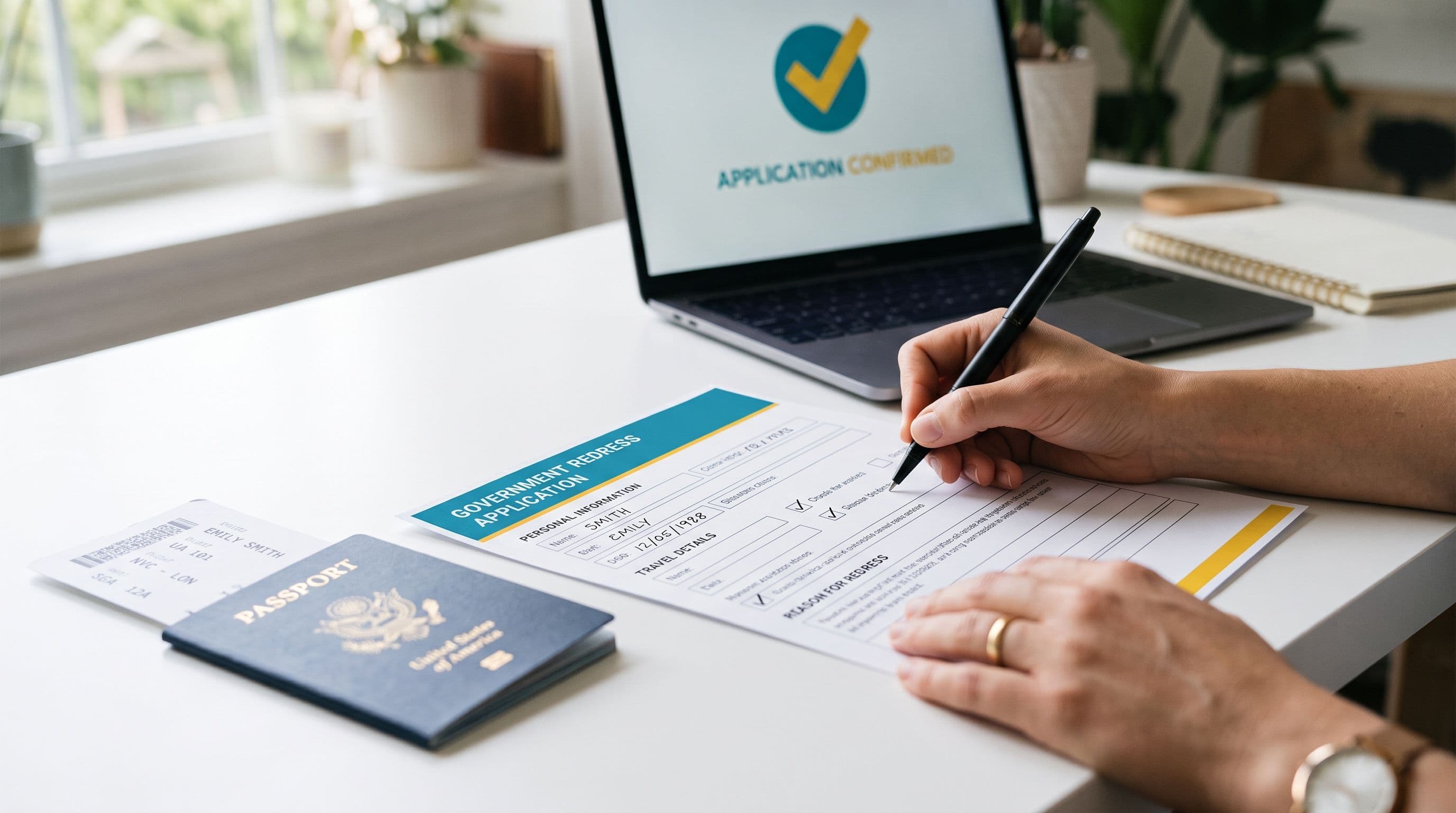
The Department of Homeland Security Traveler Redress Inquiry Program (DHS TRIP) is a single formal channel for anyone who has repeatedly experienced screening delays, been mistakenly flagged, or been denied boarding for reasons that appear tied to a name match rather than actual risk.
What it does. When you file a complaint, DHS TRIP passes your case to the relevant department (usually TSA’s Secure Flight team for SSSS cases, sometimes CBP for border screening cases). They review your record against the actual watchlist and determine whether the flagging is legitimate or a false match. If it is a false match, they update your file so the Secure Flight system stops matching you to it.
What you get. A unique 7-digit Redress Control Number assigned to you within a few business days of submission. This number stays with you for life. Once your inquiry is fully processed (typically 30 to 50 days later), you can add it to any airline booking to help the Secure Flight system correctly identify you at check-in.
Who can apply. US citizens, US permanent residents, and non-US citizens who have travelled to, from, or through the United States. Minors need a parent or guardian to file on their behalf. There is no fee to apply.
How to apply for a Redress Number: step by step
The full application takes about 30 minutes. Do it online rather than by mail; mail-based applications add 10 to 15 business days just for delivery and initial screening.
Step 1: Create a Login.gov account (if you do not already have one). DHS TRIP now requires a Login.gov identity for online applications. The account is free and takes about 5 minutes to set up at login.gov.
Step 2: Go to trip.dhs.gov and click Apply Online. Sign in with your Login.gov account.
Step 3: Complete the Traveler Inquiry Form (TIF). You will be asked for:
Step 4: Upload your identity documents. US citizens submit a copy of an unexpired US passport, or a state driver’s license or ID plus a birth certificate. Non-US citizens submit copies of the biographical pages of an unexpired passport and any US government-issued documents (visa, Permanent Resident Card, I-94). Minors submit a copy of a passport or birth certificate.
Step 5: Submit. You will receive an email acknowledgment within 2 to 3 business days confirming the case is opened, and your 7-digit Redress Control Number will be included in the subject line.
- Your full legal name, exactly as it appears on your primary travel document.
- Your date of birth, place of birth, and country of citizenship.
- Your current mailing address, phone number, and email.
- A description of your travel experience: which flights, which airports, what happened.
- The type of complaint (repeatedly referred to additional screening is the standard choice for SSSS cases).
What to expect after you apply
The timeline is documented and predictable, but the government does not rush.
The determination letter typically does not say whether you were on a list. It tells you the review is complete and any corrections that could be made have been made. That is intentional. For security reasons, DHS does not confirm or deny watchlist status.
Practical signal that it worked. If your next two or three flights are SSSS-free after you add your Redress Number to your booking, the review resolved your case. Most travellers who apply because of repeated SSSS see clean boarding passes within a month of adding the number to reservations.
| Milestone | Typical timing | What happens |
|---|---|---|
| Acknowledgment email | 2 to 3 business days | DHS confirms receipt of your application. Redress Number issued in the subject line. |
| Status portal access | 7 to 10 days (online) | Track your case at trip.dhs.gov using your Redress Number and case ID. |
| Same, if you mailed it | 10 to 15 business days | Mail applications take longer just to open and log; then the same process begins. |
| Preliminary review | 2 to 4 weeks | TSA and any relevant agencies review your file against watchlist records. |
| Determination letter | 30 to 50 days | DHS mails a physical letter with the outcome of your case. |
| Effect on future bookings | Immediate after letter | Add your Redress Number to airline reservations; the effect starts on the next flight. |
How to actually use your Redress Number
The number is only useful if it is on your reservation before you check in. Airlines do not automatically pull it from anywhere; you have to add it yourself.
Three places to add it:
Where the number is not needed: TSA PreCheck lanes (your Known Traveler Number handles that), Global Entry (your CBP membership handles that), or any of the trusted traveller programs covered in our comparison of TSA PreCheck, Global Entry, and CLEAR.
- Frequent flyer profile. Every major US airline (American, Delta, United, Southwest, Alaska, JetBlue, Hawaiian, Frontier, Allegiant) has a Redress Number field in the profile settings. Add it once and every future booking under that frequent flyer number will carry it automatically. This is the most reliable option.
- Individual booking flow. Under Traveler Information (or Passenger Details), most airline booking pages include a Redress Number field alongside the Known Traveler Number field. If you booked without adding it, log into the reservation and update the passenger info.
- OTA bookings. Some OTAs (Expedia, Priceline, Kiwi) have a Redress Number field in the booking flow. Some do not. If your OTA does not have the field, log into the airline’s manage-my-booking page after purchase and add the Redress Number there.
Redress Number vs Known Traveler Number: not the same thing
Both are numbers you add to airline reservations, and both interact with TSA screening, but they do different things.
If you fly frequently, add both to your frequent flyer profile. The two numbers work together: the Redress Number tells Secure Flight the traveller has been reviewed, and the Known Traveler Number tells TSA the traveller has been vetted for expedited screening.
| Redress Number | Known Traveler Number (KTN) | |
|---|---|---|
| Format | 7 digits | 9 or 10 digits (Global Entry, PreCheck, NEXUS) |
| Issued by | DHS TRIP | TSA (PreCheck) or CBP (Global Entry, NEXUS) |
| Cost | Free | $78 to $120 for 5 years (varies by program) |
| Purpose | Reduces false-positive watchlist matches | Grants access to PreCheck expedited lane |
| Effect on SSSS | Reduces likelihood of SSSS designation | Does not override SSSS if you get it |
| Should you have both? | Yes if you have received repeated SSSS | Yes if you fly a few times a year |
How to reduce SSSS odds without waiting for redress
You do not need a Redress Number to lower the odds of drawing SSSS. Six habits that noticeably help:
- Book earlier. Tickets purchased more than 7 days out draw SSSS less often than last-minute tickets.
- Use a credit card, not cash. Cash-purchased tickets are flagged at a much higher rate.
- Book round-trip, not one-way, when possible. One-way international tickets are the highest-risk booking pattern.
- Add your Known Traveler Number to every booking, even if you do not have a Redress Number yet. It reduces (but does not eliminate) SSSS risk.
- Keep your name consistent. First name spelled the same way, middle name always or always omitted, no unnecessary suffixes. Data mismatches between airline profiles and TSA records raise the false-match rate.
- Book directly with the airline. OTA bookings sometimes propagate slightly different name formatting to Secure Flight, which raises match risk.
What to do at the airport when SSSS strikes
If you check in online and see SSSS on your boarding pass (which will not print through the airline app; you will be told to visit the counter), the day is still salvageable if you plan for it.
- Arrive at least 3 hours before departure. Enhanced screening at busy hubs takes longer than the 15 to 45 minute base estimate, and the airline counter is often crowded.
- Head straight to the airline counter. You cannot check in through the app or a kiosk with SSSS. The counter agent will print your boarding pass and direct you to security.
- Bring standard ID, not just the app. TSA officers will manually verify identity. See our guide on REAL ID and domestic flying for the current 2026 ID requirements.
- Keep electronics accessible. TSA may want to inspect laptops, tablets, and cameras separately during the enhanced screening. Fully charged devices avoid delays if TSA asks you to power them on.
- Stay calm. TSA officers doing enhanced screening are following a checklist, not evaluating you personally. Answer questions concisely, do not volunteer extra information, and let them do their job.
Ready to test these savings on your next trip?
Search hundreds of global airline routes with live verified prices and 0% hidden markups.
Frequently Asked Questions
Common questions answered based on latest published policies & DOT regulations.
Resources and References
Official regulatory pages and verified data sources referenced in this guide.
The programs and rules referenced in this article come from official sources
DHS Traveler Redress Inquiry Program (TRIP)
The main portal for filing an inquiry, checking status, and finding your Redress Number. trip.dhs.gov
DHS TRIP Case Status Lookup
Check the status of a previously filed case using your Redress Control Number. trip.dhs.gov/TRIP/Home/CaseStatus
DHS TRIP: File a Travel Complaint
Official DHS page explaining eligibility, documents required, and expected timeline. dhs.gov/file-a-travel-complaint-dhs-trip
TSA Secure Flight Program
Background on how TSA screens passenger manifests against the Terrorist Screening Database. tsa.gov (search: Secure Flight)
Login
gov. Required for online DHS TRIP applications since 2024. login.gov
The Bottom Line
Repeated SSSS is fixable. The DHS TRIP process is free, takes about 30 minutes to apply, and typically resolves the case within 30 to 50 days. Once your Redress Number is on file with your frequent flyer profile and on future reservations, the odds of another SSSS drop to roughly the same background rate as any other traveller. That is not zero, but it is nowhere near four letters on every boarding pass.
The travellers who never fix it are the ones who assume it is permanent, or the ones who think a Known Traveler Number will handle it. A KTN does not, and it is not. File the inquiry, add the number, keep the receipts, and move on.
At FlySimple, we are building the product to keep travel simple and predictable. Every fare, no clutter, no surprises.
Search a route. See the real total. Fly through security without four letters slowing you down.